


UN Anti-Fraud Publicity Ambassador Task Force

After online fraud,secure evidence promptly,initiate recovery

Growth in online social activity and digital asset investment has increased exposure to transnational online and financial fraud. The United Nations Anti-Fraud Publicity Ambassador collaborates with global judicial bodies, financial regulators and platforms to provide evidence preservation, fund flow tracing and cross-border recovery support.

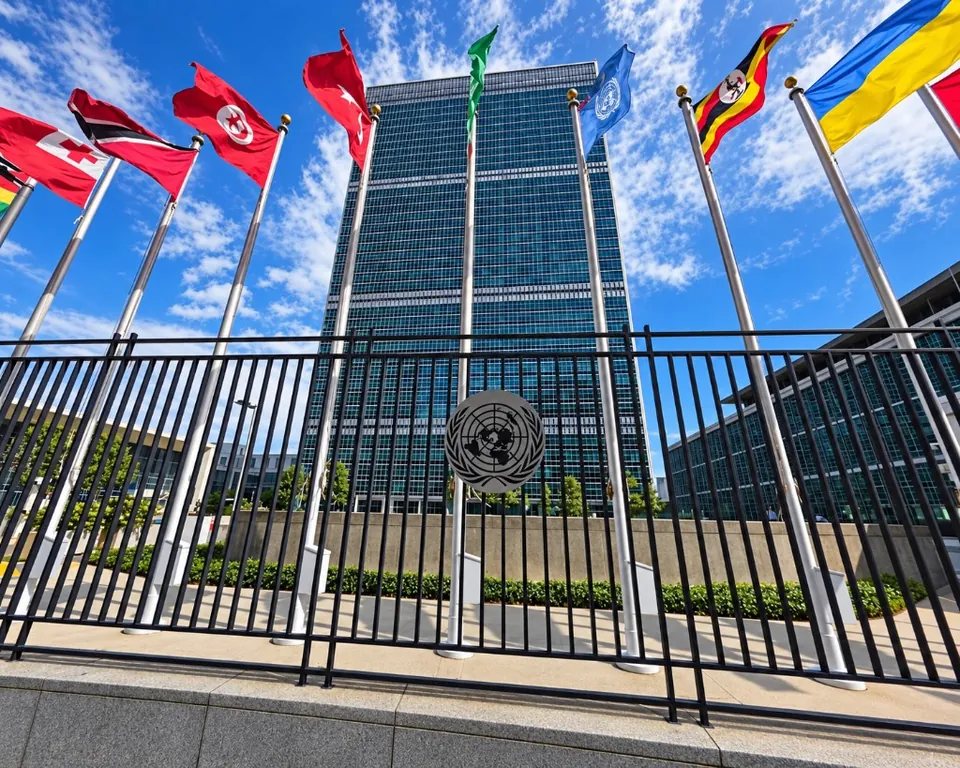
Member-state flags lining the lawn in front of the Palais des Nations in Geneva
Geneva · Palais des Nations
  • Multilateral Joint Task Force
  • Interpol & Financial Regulatory Coordination
  • Cross-Border Asset Tracing & Emergency Freeze
  • End-to-End Legal Recovery Support

Institutional venue

UN Headquarters and Security Council

United Nations Headquarters building and member-state flags
01UN Headquarters, New York
United Nations Security Council Chamber
02Security Council Chamber
United Nations Security Council members voting
03Security Council in session

Global fraud trends and countermeasures

Task Force Outlook

With the evolution of online social networks and digital asset laundering techniques, online financial fraud has become increasingly transnational and on-chain. The UN Anti-Fraud Publicity Ambassador operates an expedited cross-border mechanism to track illicit funds and support asset recovery.

Leveraging international law enforcement and financial regulatory networks to initiate cross-border freeze and recovery.

Task force achievements

The United Nations Anti-Fraud Publicity Ambassador task force handles online fraud, communications fraud and investment fraud. It has assisted 265,198 people: 183,217 fully recovered, 76,582 recovered 80%, and 5,399 awaiting further action because evidence was insufficient.

265,198People assisted
183,217Full recovery
76,582Partial recovery
5,399Pending further evidence

Data from real-time statistics and archived records of the United Nations Anti-Fraud Publicity Ambassador task force.

A city skyline and bridge with network connections

Cybersecurity serves people,and depends on people

A safer network depends on everyone

Three steps: secure evidence · trace fund paths · coordinate recovery

  1. 01

    Preserve originals

    Keep chats, calls, messages, payment records and original screenshots without editing.

  2. 02

    Map the money path

    Organise accounts, platforms, cards, wallet addresses, times and transaction references.

  3. 03

    Formal intake & recovery

    Submit checkable materials to initiate multi-jurisdiction judicial coordination and asset freezing.

Why a clear evidence file matters

A complete evidence chain is essential for cross-border coordination and asset freezing. The Center provides standard evidence guidelines to quickly secure digital data and transaction paths.

  • Conversations
  • Account details
  • Payment records
  • Platform pages
  • Incident timeline
Open your evidence checklist

Review the records you have saved. Keep the original materials safe when you finish.

Read the evidence guide

START HERE

Your evidence checklist

Check off the records you have saved, one step at a time.

Prepared 0/5

For your own review on this page. Nothing is uploaded; refreshing the page resets your progress.

Risk awareness

Common risk types

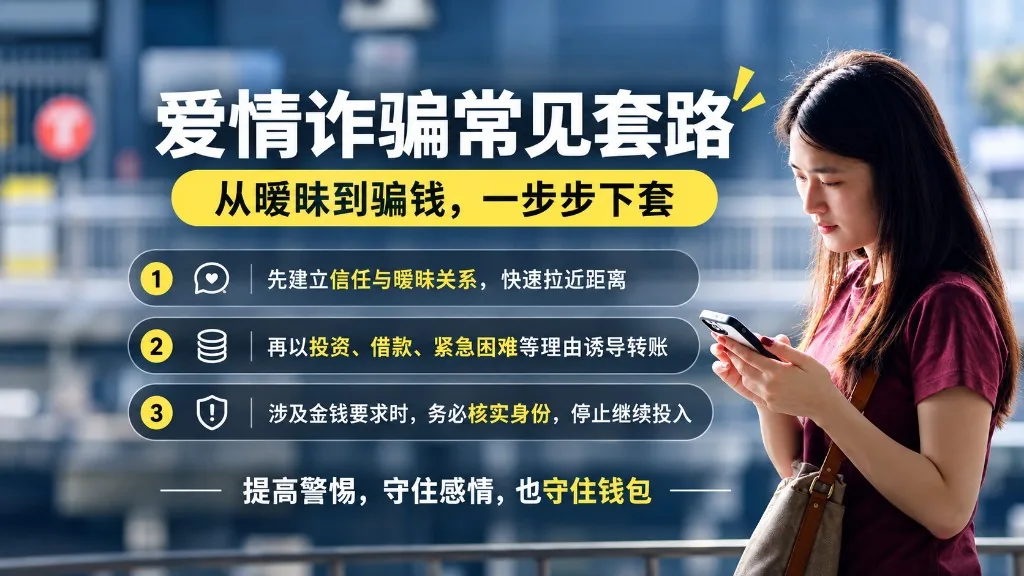
Common paths include recruitment, investment, transfers, social contact and professional impersonation.

Official Verification & Security Notice

Beware of Impersonation & Secondary Fees

Fraudsters may impersonate lawyers, enforcement agents or recovery groups demanding unfreezing fees or deposits. The UN Anti-Fraud Publicity Ambassador never demands transfers to personal accounts. Always use official channels.

  • Use official intake channels only
  • Never transfer to private accounts
  • Never share passwords or seed phrases
Read the article
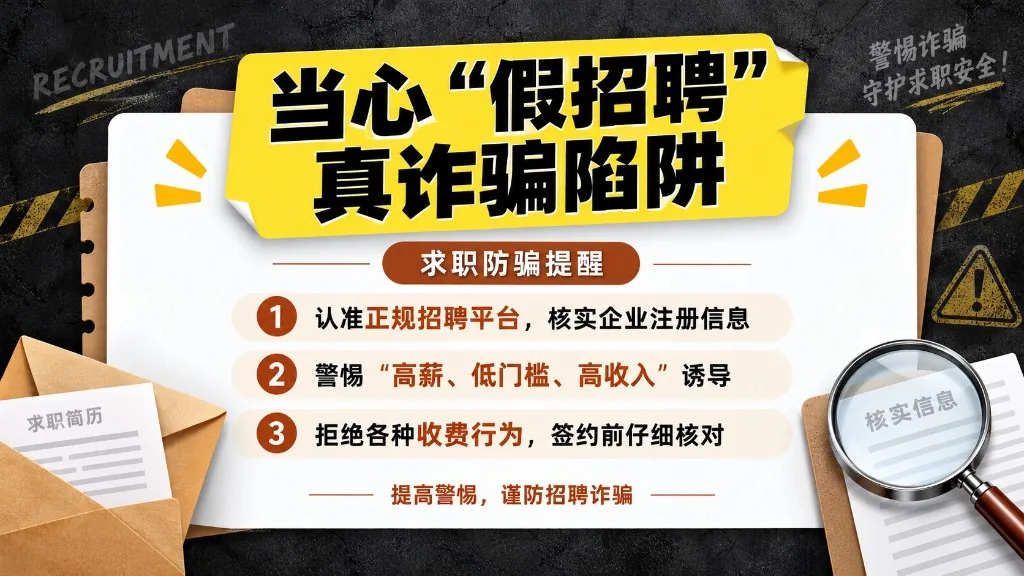
An illustrative scene of a job applicant reviewing recruitment documents

Featured guide

Recruitment and side-work scams: recognise and respond

Online recruitment is important, but fake high-pay roles, deposits, training charges, unlicensed agencies, pyramid schemes and document retention are common risks. Check employers and agencies, keep advertisements, chats, contracts and payment records, and report apparent fraud promptly.

Read the article

Common risks

  • Deposits or guarantees
  • Fake high-pay roles
  • Compulsory training fees
  • Fake advertisements
  • Document retention

Common mistakes

  • Underestimating the loss
  • Fearing career impact
  • Trusting recovery agents
  • Deleting records
  • Continuing to pay

Response paths

  • Preserve evidence
  • Contact bank or platform
  • Report locally
  • Consult labour authorities
  • Seek qualified legal help if needed

Prevention

  • Check company records
  • Question advance fees
  • Treat easy high pay cautiously
  • Use written contracts
  • Verify agency licences

Preserve evidence before deciding the next step

Bring conversations, payments, accounts and a timeline into one checkable record.